Coazzolo The Moscato Chapel
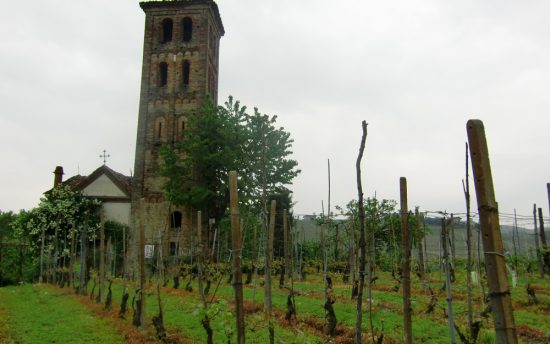
The Chiesetta della Beata Maria Vergine del Carmine in Coazzolo, known as La Cappella del Moscato, is an extraordinary example of how contemporary art can enhance and reinterpret historical heritage and landscape.
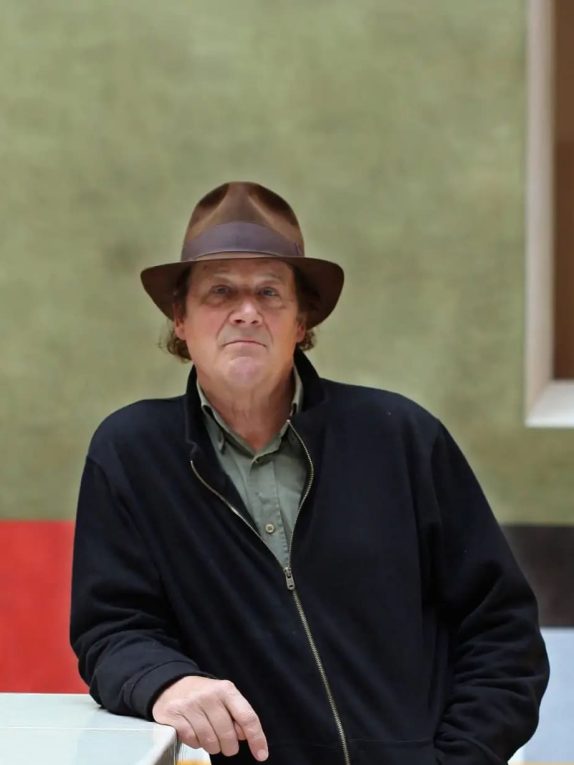
The structure has experienced a second life thanks to the intervention of British artist David Tremlett, famous for his “wall drawing” technique.
This artistic transformation has made the little church a tourist attraction and a reference point for contemporary art in the Langhe and Monferrato.
A visit to the Chiesetta del Moscato is an unmissable experience, able to excite and leave an indelible memory. It can be reached through beautiful and evocative itineraries by mountain bike, E-bike or on foot, surrounded by vineyards.
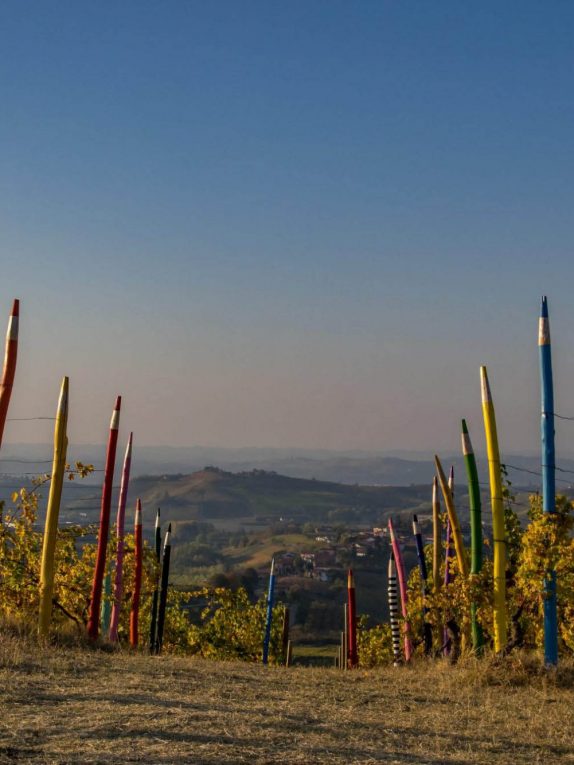
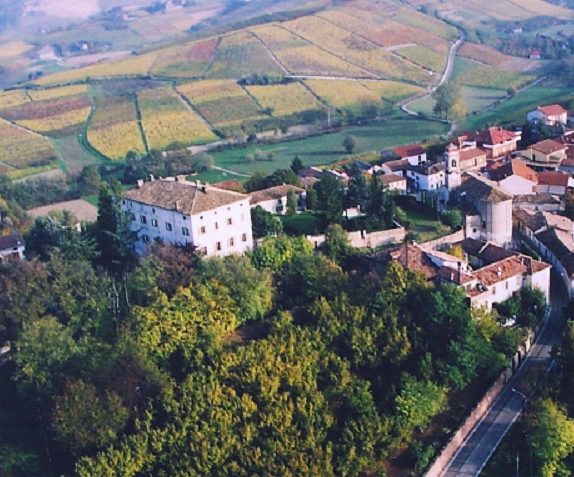
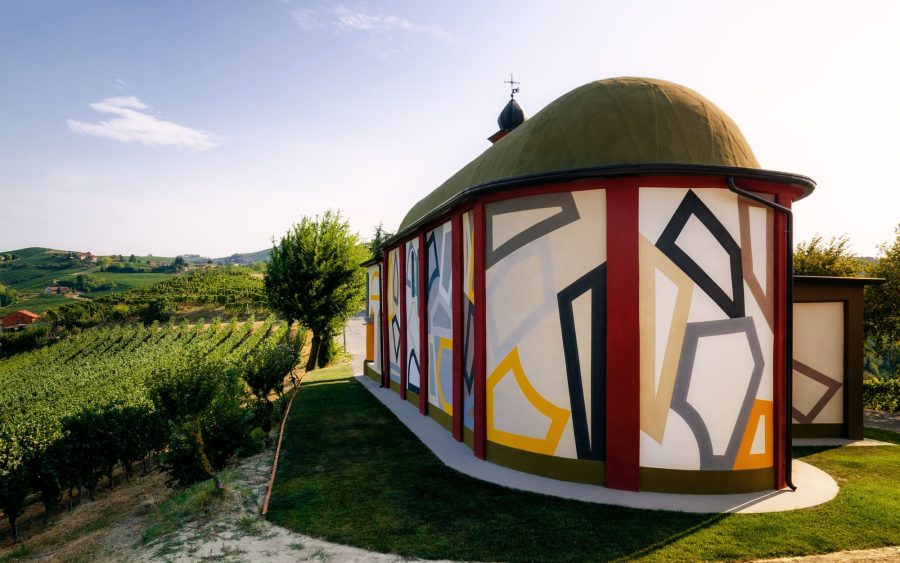
Exterior
A work that is an integral part of the natural landscape
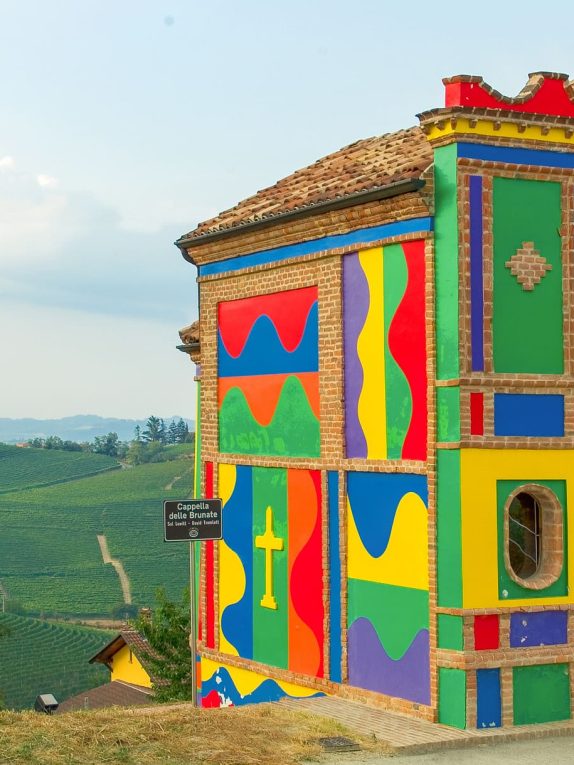
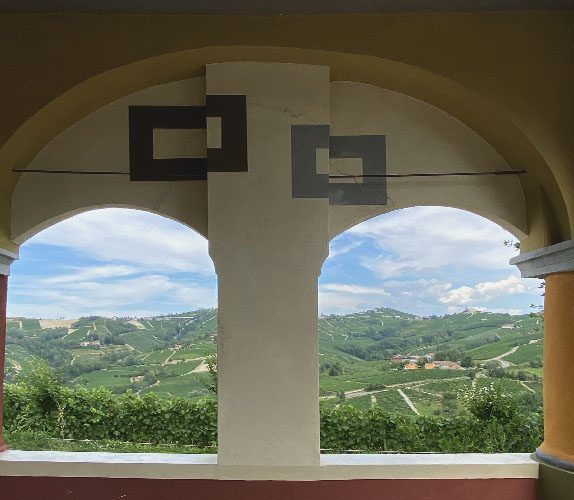
The geometric shapes, simple and strict lines, create a visual effect that changes with the seasons, making the little church a dynamic and living element in the landscape.
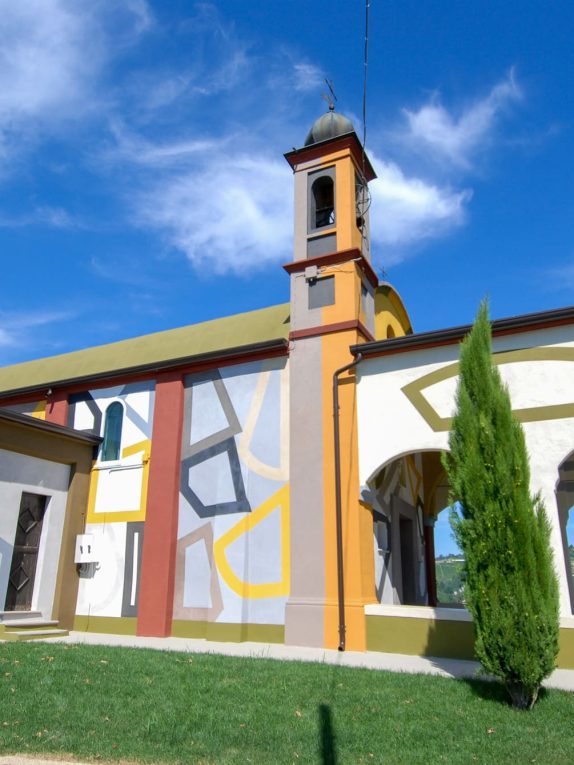
Tremlett chose a color palette inspired by the land: sienna is used for the main body of the chapel and echoes the warm tones of the Langhe soil.
The deep yellow, applied to the porticoed atrium, symbolizes the light and energy that characterizes the sunflower and wheat fields, while the olive green found in the basement and sacristy is a tribute to the local vineyards and vegetation.
Tremlett's footsteps in the Langhe
A journey between contemporary art and historical heritage
Tremlett's intervention in Coazzolo is not an isolated episode. The British artist has already made his mark in the Langhe with other significant works.
The Barolo Chapel was created in 1999 together with Sol LeWitt and has become an icon of the region. Located in La Morra, it is famous for its vibrant exterior decorations.
Then there is the 17th-century chapel of the Relais San Maurizio in Santo Stefano Belbo, where Tremlett decorated the interior, accessible to guests of the relais.
Finally, the former oratory of San Michele, in the historic center of Serravalle Langhe, which has been transformed into a place of contemporary art thanks to the artistic intervention.
The works testify to the artist's strong bond with the territory and his ability to enhance the historical heritage through the language of art.