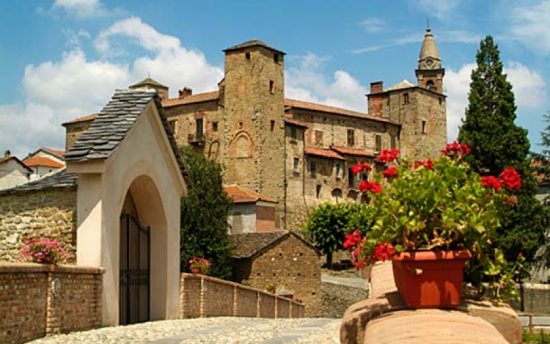
Vesime Partisan Airport Museum Excelsior
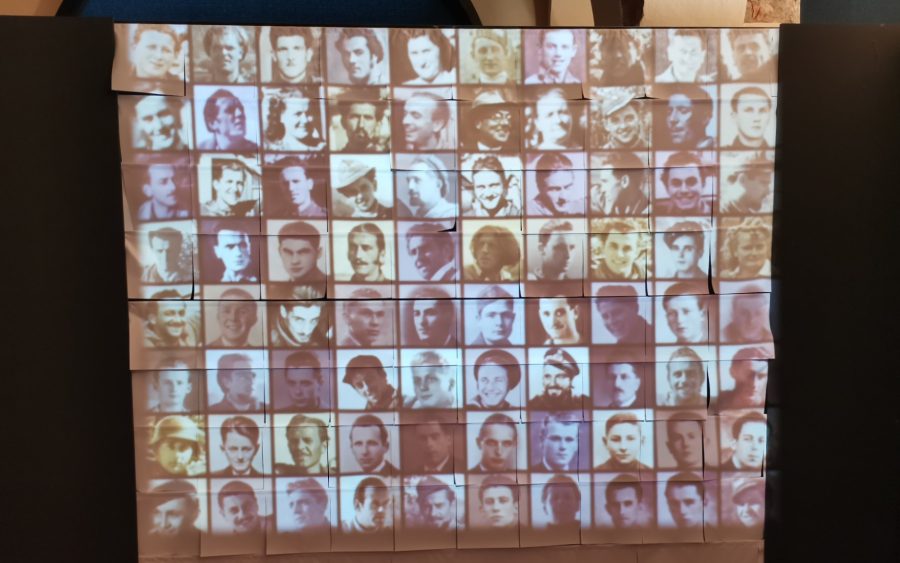
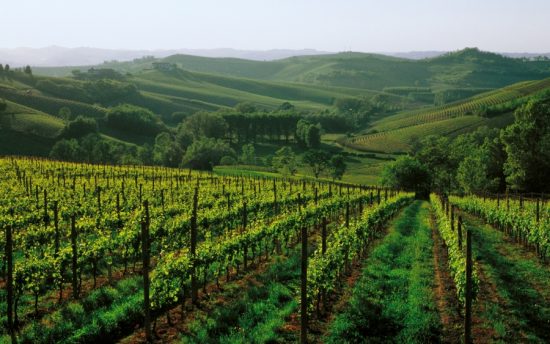
Beppe Fenoglio called “the archangelic realm of the partisans” that sea of hills between the Asti and Cuneo Langa, where freedom fighters, like the Johnny from his great novel, for twenty months waged war against the fascists and the Germans.
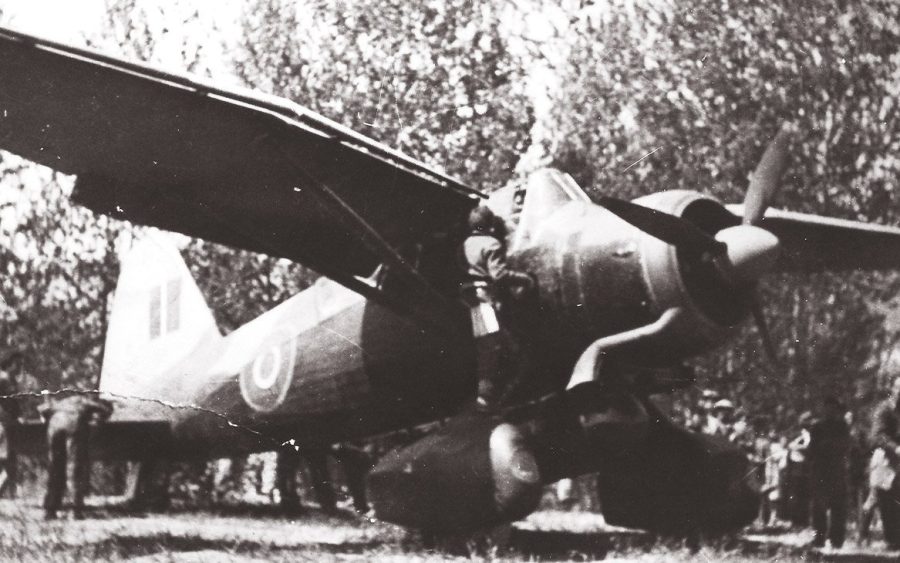
Often flanking them were British and American special services officers and agents, parachuted between enemy lines by Lysander, Mitchell, and Dakota aircraft. It was happening in the rest of Europe to be liberated, it was happening in Italy and in these parts, in southern Piedmont.
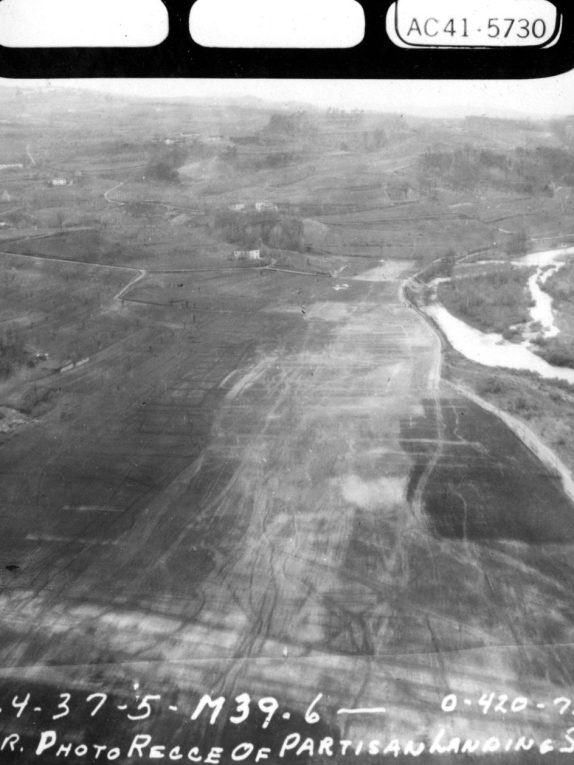
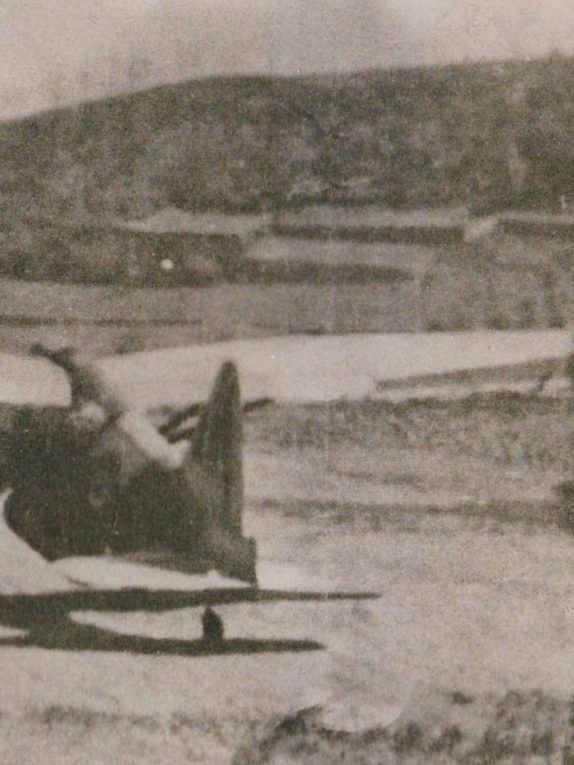
Up here they were able to do even more. Following the example of Marshal Tito’s Yugoslavia, the British Soe, the Special Operation Executive, devised and set up a real landing field for the purpose of facilitating the arrival of Allied missions and the transport of wounded and fallen soldiers to free Italy.
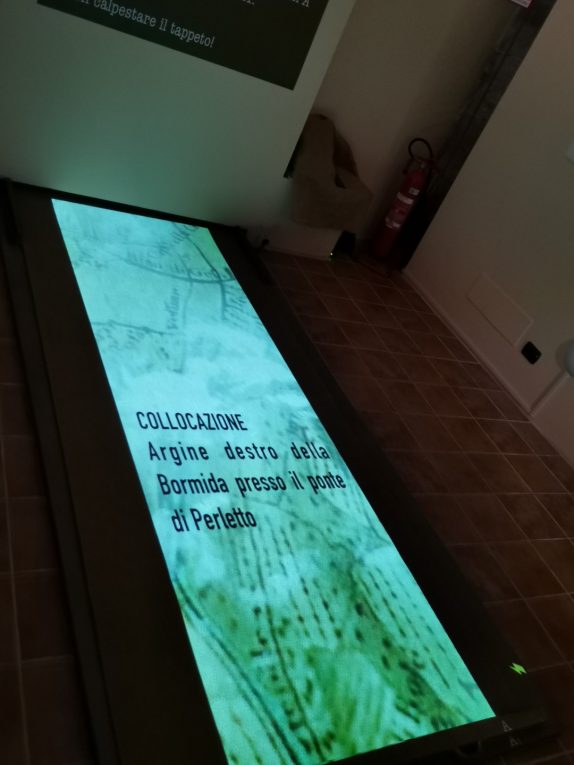
They identified the most suitable place in Vesime, on the right bank of the Bormida River, near the Perletto Bridge, where the Nazi-Fascists carried out a massacre.
The project was completed together with local residents and partisans of the Second Langhe Autonomous Division, the Badoglian Blue Handkerchiefs of Fenoglio’s own formation, between October 1944 and March-April 1945.
Interior
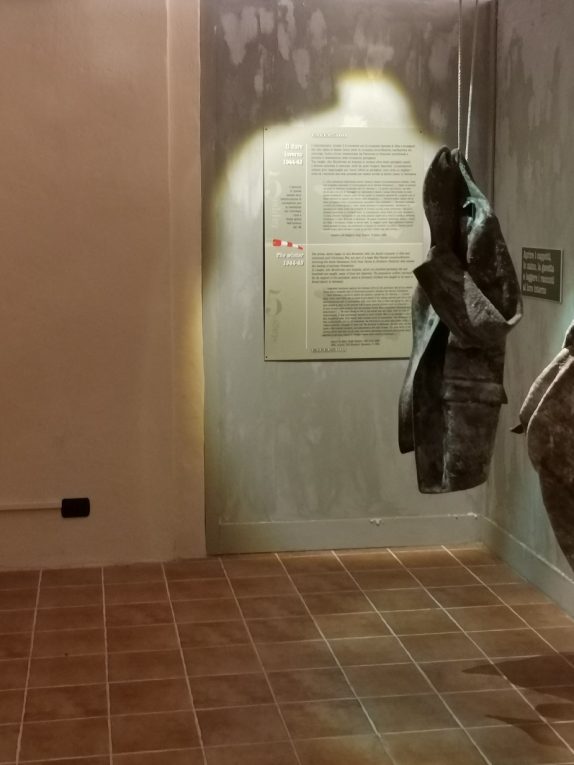
The history of the airport is told through multimedia experiences and framed in the context of the Resistance
The exhibition itinerary is divided along six stages that reconstruct the adventure of the partisan Excelsior airport, a small piece of a large puzzle that was being put together throughout Europe during those war years.
Through film footage and multimedia installations, the visitor is immersed in the preparation and construction stages of the runway.
In other sections, the material and living conditions of the Resistance period are recounted so that the harshness of the partisan struggle can be understood.
The various films, with the help of period clips, help to better frame the activities of Excelsior Airport in the context of the Resistance.
One can understand the strategic importance of a small airport that became a reference for northern Italy at that time, ensuring supplies and communications.
The reproduction of official documents drafted by the protagonists of those events also provides insight into the dynamics between the Allies and partisans.