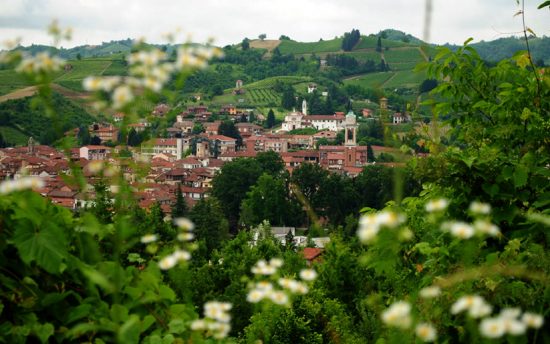
Cisterna d’Asti The Arts and Crafts Museum of a Time
Founded in 1980 by a group of volunteers, the Cisterna Museum is now the most important ethnographic museum in Piedmont.
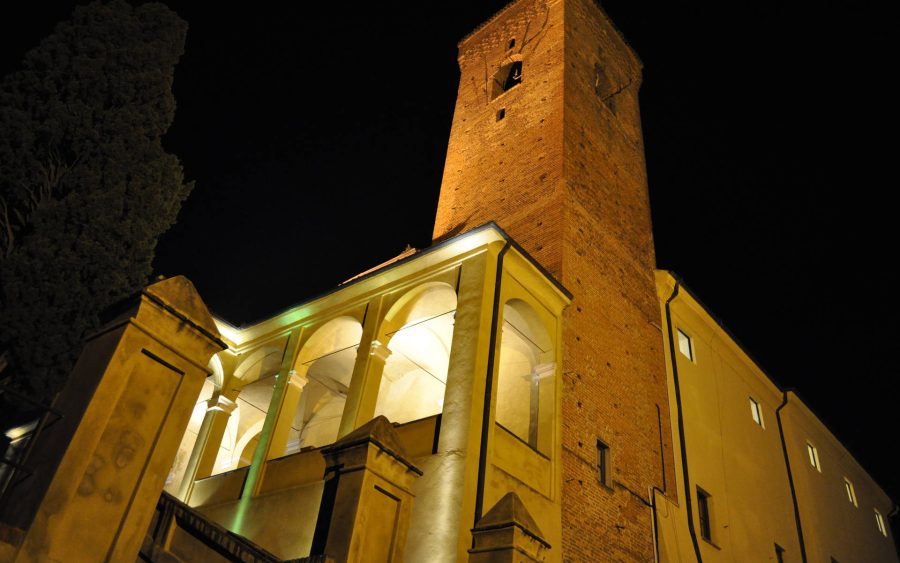
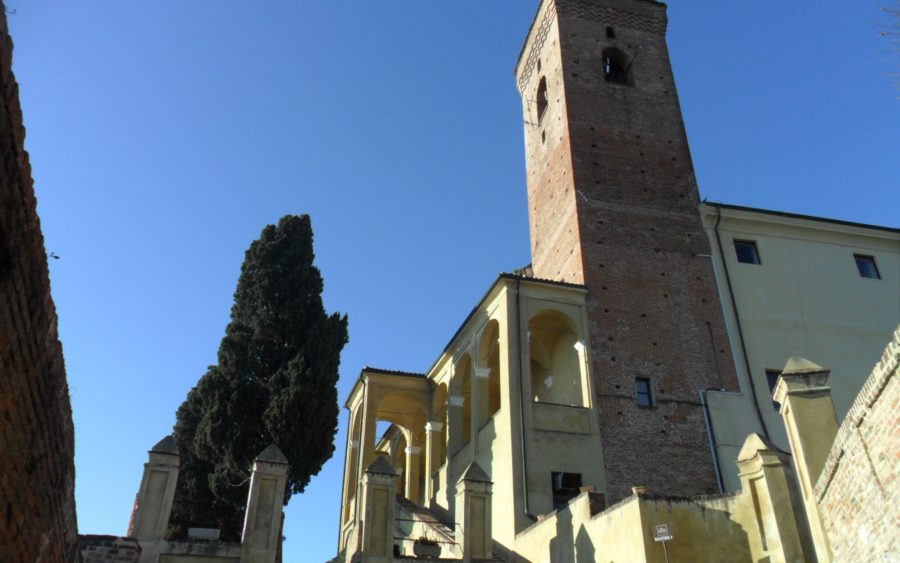
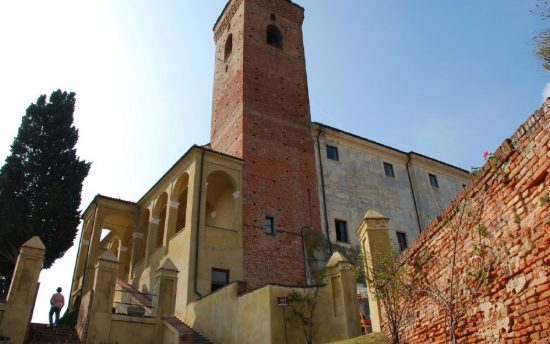
Inside the 23 rooms spread over the three floors of the castle are 25 workshops, with objects and furniture from the past collected, restored and arranged by volunteers in the castle rooms.
Its openness to the area has also led to a positive re-evaluation of historical memory andlocal identity, a substantially different perspective than the one dominant in past decades, which regarded the legacy of peasant culture linked to our area as inadequate to the demands of modernity.
Rooms
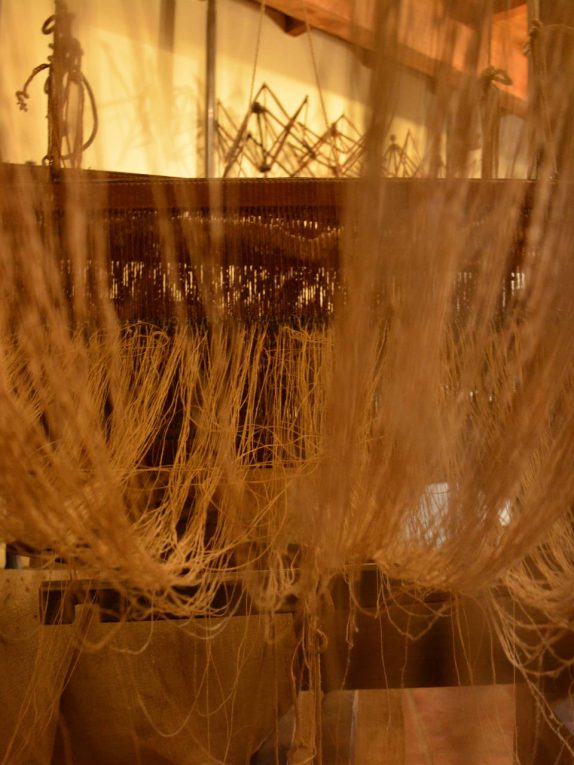
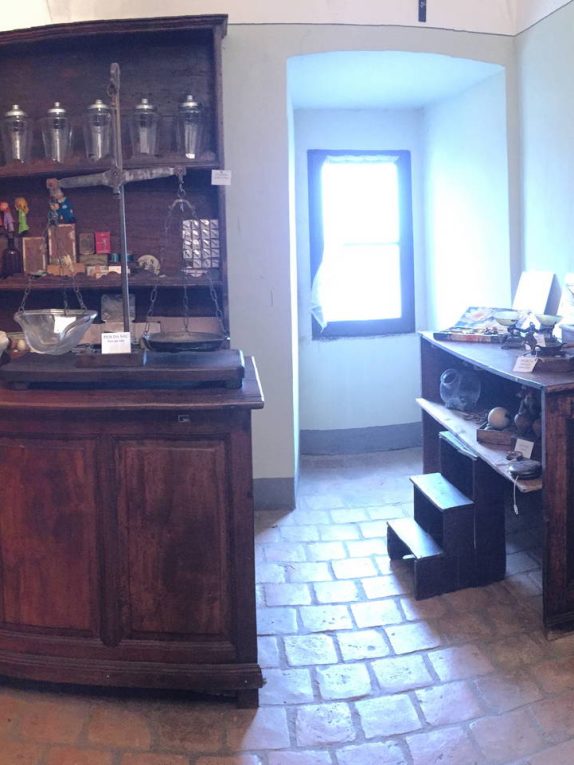
The rooms display traditional work tools used to carry out ancient crafts.
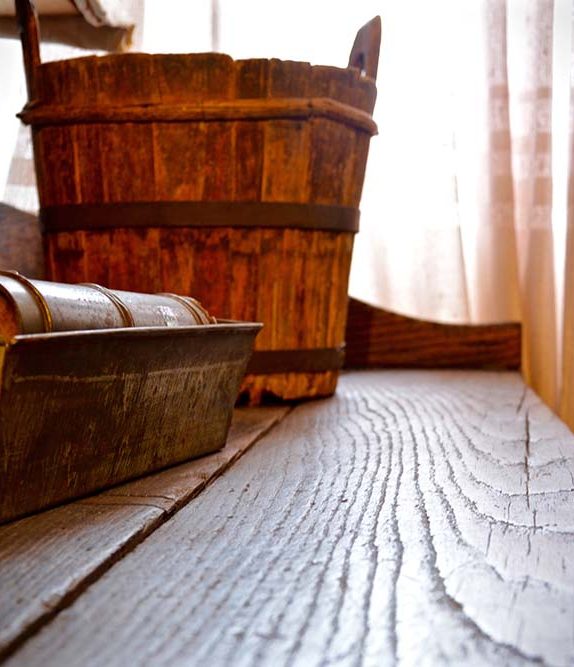
Most of the rooms are dedicated to an ancient trade: cooper, carradore (the one who repaired wagons), cobbler, carpenter, weaver, tailor, and many others.
Fascinating workshops with an ancient flavor have been reconstructed inside some of the rooms, where traditional work tools, all donated by residents or recovered from neighboring towns, can be admired.
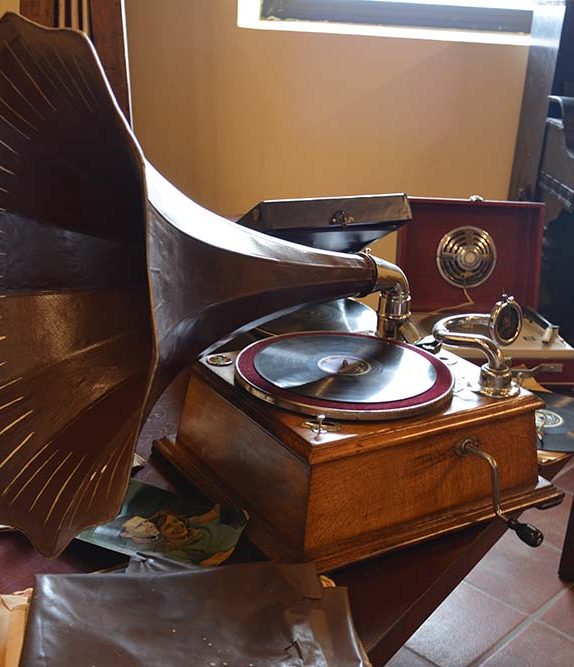
While the Music Room pays homage to this art by showcasing the components of some antique organs from a family of organ builders who operated in the village of San Damiano, the Middle Class Room, on the other hand, is a space that presents objects that peasants only saw in the homes of the wealthy.
The presence of trellises for drying fruit shows the presence in wealthy families of habits similar to those of peasants, which, however, were supported by more sophisticated equipment (peasants dried fruit on tea towels exposed to the sun. The objects in the room come from Vezza d'Alba and belonged to Dr. Ercole Ferrio.
Other rooms, however, are devoted to past stores in the village such as the nougat store, bakery, print shop, and tobacco shop, where cigars but also salt, candy, and in more recent times, toys and stationery could be found.
Not to be missed: among the tools and working objects of the mattress maker and boilermaker, in the itinerant work store, the cart of the ingenious knife-grinder from Cisterna d'Asti stands out, who by turning his own means of transportation upside down made a grinding wheel out of it.
Prices and information
Some useful information for visitors
Visits to the Museum are guided and require payment of the entrance fee:
- 7,00 € full
- 5,00 € reduced (children aged 3 to 18, over 65, groups of at least 15 people)
- free (for holders of Tessera Musei Torino Città Capitale, Torino+Piemonte Card, children from 0 to 3 years old, children from 3 to 14 years old with family)
Guided tours are available for groups of at least 15 people Monday through Sunday, by appointment.